
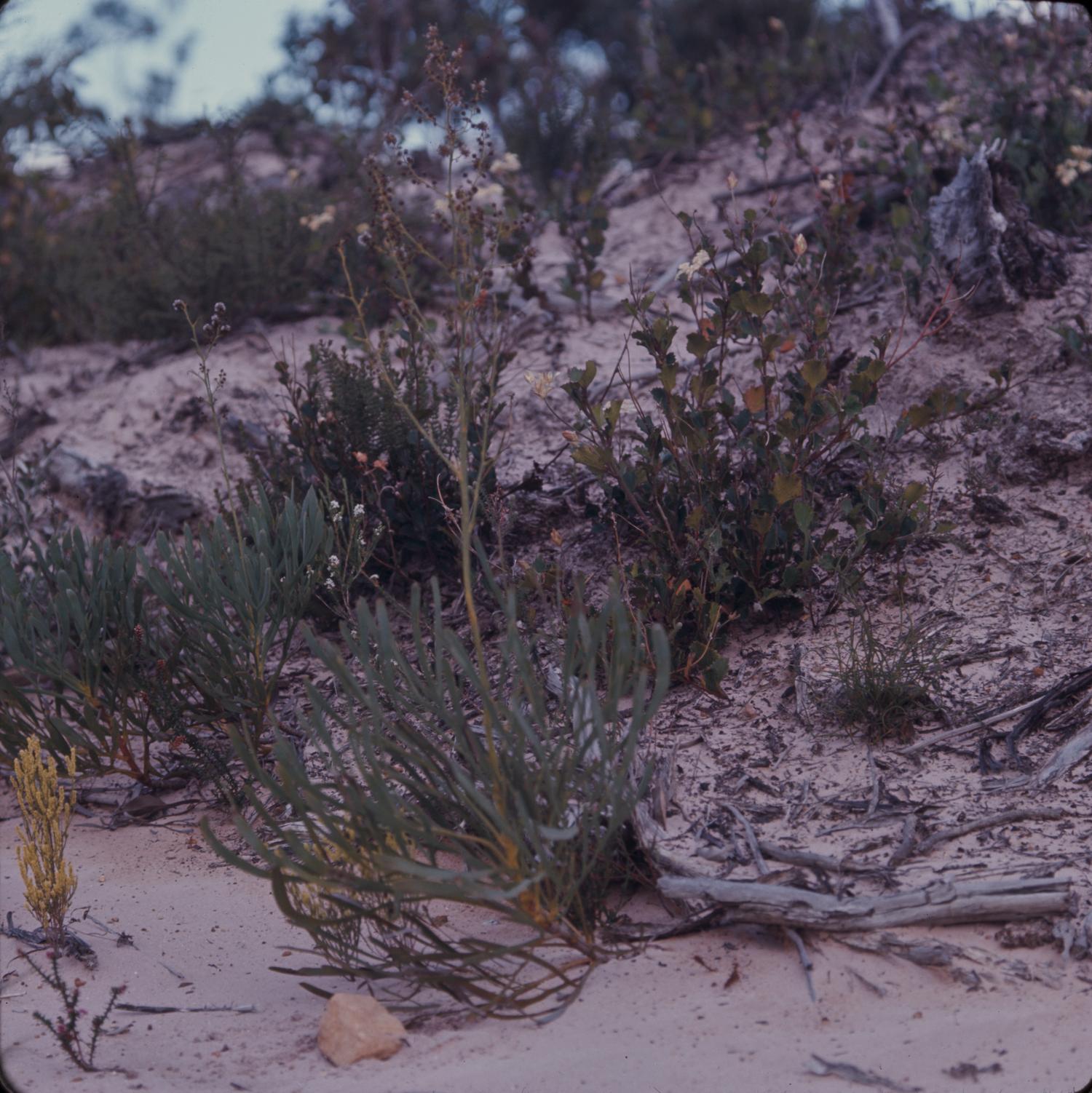
Short answer
Begin by testing your soil's drainage and quality to tailor your landscaping efforts. Look for signs like waterlogged areas or bare patches, which indicate potential problems. Carefully select plants native or suited to your specific garden conditions to ensure thriving growth. Thorough soil preparation with organic matter will enhance its structure and nutrient content, crucial for developing a vibrant landscape. Equip yourself with these steps to create a garden that flourishes all year round.
Timely intervention prevents further garden deterioration.
On this page
How to recognise it
- Bare soil areas appear between plantings without any mulch protection, indicating potential erosion or improper plant spacing.
- Yellowing leaves signal poor nutrient uptake or overwatering, often due to incorrect soil pH or drainage.
- Persistent puddling or soggy soil after rain highlights inefficient drainage systems, risking root rot or plant suffocation.
- Scattered dead patches in hedges reveal potentially incompatible plant species or neglected soil maintenance habits.
- Sparse plant foliage with elongated stems suggests inadequate sunlight exposure, prompting poor plant development and growth.
- Brown leaf edges imply uneven watering or wind exposure, often resulting from unsuitable plant location or care.
- Discoloured and curling leaves indicate pest infestation or disease, suggesting the need for pest control measures and soil inspection.
Common causes
- Improper grading leaves depressions where water pools, causing poor drainage and potential root suffocation.
- High clay content in soil retains water excessively, preventing oxygen from reaching plant roots effectively.
- Selecting plants unsuited for the local climate causes stress and failure to thrive due to environmental mismatches.
- Using soil without organic matter reduces its fertility, leading to nutrient deficiencies and poor plant growth.
- Existing debris or rubble in the planting area disrupts root establishment, limiting plant stability and health.
What you can do yourself
- 01Monitor daily sunlight patterns to choose the best spots for plantings, protecting plants from excessive or insufficient light.
- 02Remove stones and debris from soil before planting to prevent root interference, ensuring healthier plant establishment.
- 03Check for natural slope and adjust planting locations to improve drainage, protecting plants from water accumulation.
What the landscaper does
- Integrate organic compost into the soil to enhance fertility and correct nutrient deficiencies, especially useful in nutrient-poor areas.
- Design and implement a drainage system to redirect excess water, resolving waterlogging issues in susceptible zones.
- Plan plant placement based on specific light and moisture needs, preventing plant stress and ensuring healthy growth.
- Utilise mulch to conserve moisture, suppress weeds, and regulate soil temperature, promoting optimal plant conditions.
- Select native or compatible plant species that withstand local climate conditions, minimizing care and maximizing growth potential.
How the job usually runs
- 01Test soil pH and adjust with lime or sulphur to balance it, ensuring optimal nutrient availability and plant health.
- 02Clear planting areas of debris to provide unobstructed root growth and improve soil contact for newly planted specimens.
- 03Mix organic matter into the soil to enhance structure and nutrient content, visible when soil becomes crumbly and rich.
- 04Install a drip irrigation system to provide consistent moisture, monitored through soil moisture levels to avoid overwatering.
- 05Position plants based on sun exposure patterns, optimising growth and vitality, evident in healthy foliage and robust development.
What the price depends on
LandscapeEngine does not publish a fixed price. That is agreed with the firm you appoint. Differences usually come from:
- The complexity of soil condition remediation affects costs, as heavily compacted or nutrient-poor soils require more intensive treatment.
- The choice of plant species influences cost due to varying needs for care, climate suitability, and initial investment.
- Installing irrigation systems impacts price depending on the system's sophistication and area coverage required.
- Labour intensity for soil preparation varies, affecting cost when specialist equipment or prolonged labour is necessary.
- Custom landscape design services may increase costs based on the scope and detail of the plan tailored to homeowner needs.
How an enquiry works
- 01
Describe the job
Choose borders and say what is happening in Achavanich.
- 02
Local firms see it
Relevant landscaper firms nearby can choose to unlock the enquiry.
- 03
You choose
Compare responses and decide who to appoint.
Questions
How do I improve poor soil quality for my garden?
Improving soil quality requires incorporating organic matter like compost or well-rotted manure to enhance structure and nutrients. Test the soil pH and adjust it with lime or sulphur to optimize nutrient availability. Regular mulching also aids in improving soil conditions by conserving moisture and adding organic content as it breaks down. Monitoring and adjusting irrigation can prevent issues related to compacted or excessively dry soil.
How can I tell if my garden has drainage issues?
Signs of poor drainage include water pooling or persistent soggy soil after rainfall, which can suffocate roots. Check for areas with stagnant water or excessively wet soil, particularly after heavy rain. Additionally, yellowing leaves or slow plant growth can indicate root stress caused by waterlogging. Address drainage issues by improving soil structure with organic matter or employing drainage systems like French drains.
Are there regulations for landscaping and planting in the UK?
In the UK, there are generally no specific regulations for domestic planting, but broader planning rules may apply, especially in conservation areas or for listed buildings. It’s advisable to check with local authorities for guidance if large-scale changes or tree felling are involved, as Tree Preservation Orders (TPOs) may restrict certain activities. Always consider environmental factors and neighbourhood regulations before embarking on significant landscaping projects.
What should a garden landscaping quote include?
A comprehensive garden landscaping quote should detail all aspects of the project, including materials, plant selections, soil preparation, installation of irrigation systems, and labour. It should itemize costs individually for transparency. The timeline for project completion, any design services, and potential additional costs or considerations should also be included. Ensure the quote outlines warranty or maintenance options for long-term care and health of the landscaped area.
Borders in Achavanich?
Tell us what is going on. Relevant local firms can respond. Enquiries are free.